How Plastic Molding is Revolutionizing Product Design
The Evolution of Plastic Molding Techniques
From Traditional Methods to Advanced Techniques
The history of plastic molding reveals a fascinating journey from rudimentary methods to sophisticated techniques used in today’s manufacturing landscape. Early plastic fabrication relied heavily on manual processes such as hand molding, which limited design possibilities and production speeds. As technology advanced, manufacturers began adopting methods like compression molding, which offered improved efficiency and consistency. However, the introduction of injection molding marked a significant turning point. This technique allows for the rapid production of complex shapes with intricate details, making it a game-changer in product design. The precision and speed of the injection molding process paved the way for mass production, enabling manufacturers to meet the growing demand for molded plastic products across various industries.
Overview of Thermoforming Processes
Thermoforming represents another innovative approach in the realm of plastic molding. This process involves heating a plastic sheet until it becomes pliable and then forming it over a mold. Thermoforming is especially popular for injection moulding manufacturer creating lightweight and durable products, as it allows for the efficient production of large parts with minimal waste. The versatility of thermoformed materials, particularly thermoplastics, makes them ideal for a range of applications, from packaging to automotive components. Moreover, the ability to create both simple and complex shapes with relative ease has made thermoforming an essential technique in modern manufacturing. As advancements in materials and technology continue to evolve, the potential of plastic thermoforming expands, further revolutionizing product design.
The Rise of Injection Molding in Manufacturing
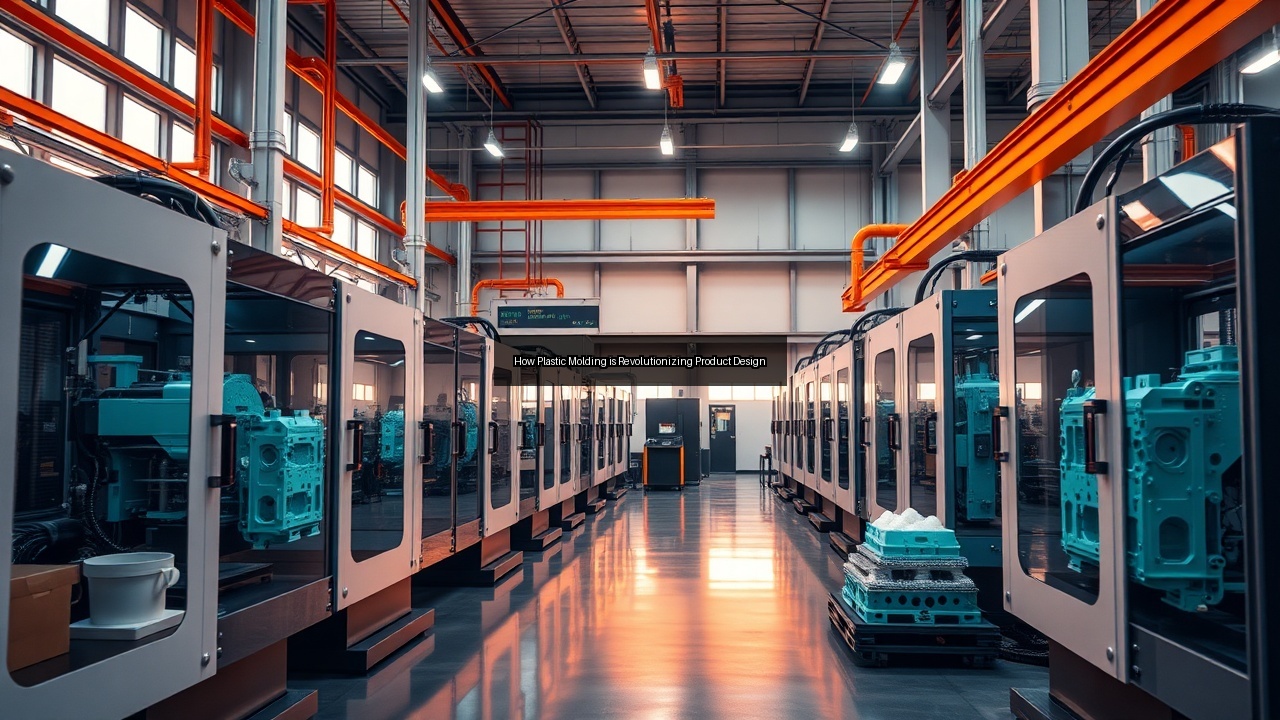
Injection molding has emerged as the cornerstone of modern manufacturing, driven by its efficiency and capability to produce high volumes of injection-molded parts with unparalleled precision. This process involves injecting molten plastic into a mold, where it cools and solidifies to form the desired shape. Manufacturers favor injection molding for its ability to create intricate designs, reduce material waste, and shorten production cycles. It supports a wide variety of plastics, including thermoplastics, which further enhances its versatility. Additionally, advancements in injection mold technology, such as multi-cavity molds and hot runner systems, have further optimized the injection molding process. As industries strive for faster production and lower costs, investment in injection molding continues to rise, solidifying its role in the future of product design.
Benefits of Plastic Molding in Product Design
Cost-Effectiveness and Efficiency
Plastic molding, particularly through techniques like injection molding and thermoforming, proves to be a cost-effective solution for manufacturers. The efficiency of these methods enables the rapid production of molded plastic parts, significantly reducing labor costs and lead times. High-volume production runs decrease the cost per part, making it an attractive choice for businesses looking to maintain competitive pricing. Moreover, the precision of plastic molding minimizes material waste, further enhancing cost efficiency. Manufacturers can achieve consistent quality across large batches, which is crucial for maintaining customer satisfaction. The combination of reduced production times and lower material costs positions plastic molding as a favorable option for companies aiming to innovate and expand their product offerings without breaking the bank.
Versatility in Material Selection
The versatility of materials available for plastic molding is one of its most compelling advantages. Manufacturers can choose from a wide array of plastics, including various thermoplastics, each with unique properties that cater to different applications. For instance, ABS (Acrylonitrile Butadiene Styrene) offers strength and impact resistance, making it suitable for consumer electronics, while polycarbonate provides excellent transparency and heat resistance, ideal for safety glasses and other applications. This extensive material selection allows designers to tailor products to specific requirements, enhancing functionality and aesthetics. Whether creating lightweight packaging or durable automotive parts, the ability to select the right material for the job is a critical factor in successful product design. As new materials and composites emerge, the potential for innovation in plastic molding expands even further.
Sustainability and Environmental Impact
Modern plastic molding techniques also address growing concerns about sustainability and environmental impact. Manufacturers are increasingly adopting eco-friendly practices, such as using recycled plastics or bioplastics in their production processes. This shift not only reduces the reliance on virgin materials but also helps minimize waste and energy consumption. Additionally, advancements in recycling technologies mean that thermoplastics can be reused, further supporting sustainable manufacturing efforts. Companies that prioritize environmentally responsible practices can enhance their brand image and appeal to consumers who value sustainability. The trend toward green manufacturing in plastic molding demonstrates a commitment to reducing environmental harm while still meeting the demands of a competitive market.
Choosing the Right Plastic Mold Manufacturer
Key Factors to Consider
Selecting the right plastic mold manufacturer is crucial for ensuring the success of your product design project. Begin by evaluating the manufacturer’s experience and expertise in the specific molding techniques you require, whether it’s injection molding or thermoforming. Consider their track record in producing high-quality molds and parts, as well as their ability to meet your production timelines. Quality assurance processes and certifications also play significant roles in selecting a reliable manufacturer. Additionally, assess their capacity to handle your project’s scale and complexity. Communication and collaboration are essential; choose a manufacturer that is willing to work closely with you to understand your needs and provide valuable insights throughout the design and production process.
Top Manufacturers in the Industry
The plastic molding industry features numerous manufacturers known for their quality and innovation. Companies like Protolabs, which specializes in rapid prototyping and low-volume production, have gained recognition for their cutting-edge technology and quick turnaround times. Other notable manufacturers include Husky Injection Molding Systems, known for their advanced injection molds and systems, and Berry Global, which focuses on sustainable practices within plastic fabrication. Researching the capabilities and specialties of various manufacturers allows you to find the right partner for your project. Networking within industry circles or seeking recommendations can also lead you to reputable plastic mold manufacturers that align with your product design objectives.
Future Trends in Plastic Fabrication
The future of plastic molding and fabrication looks promising, driven by technological advancements and changing market demands. Innovations such as 3D printing are beginning to complement traditional molding techniques, allowing for rapid prototyping and customized designs. The integration of smart technology into manufacturing processes paves the way for improved efficiency and quality control. Additionally, the focus on sustainability will continue to shape the industry, with manufacturers exploring biodegradable materials and more efficient production methods. As industries evolve, plastic mold manufacturers must adapt to new challenges and opportunities, ensuring they remain at the forefront of product design innovation. With continuous advancements, the potential for plastic molding to revolutionize product design remains limitless.