The Science Behind Sterilization and Medical Plastics
Understanding Medical Plastics
Defining Medical Grade Plastics
Medical grade plastics play a crucial role in the healthcare industry, providing reliable materials for a wide range of applications. These plastics meet rigorous safety and performance standards set by regulatory bodies like the FDA. Medical grade plastics must withstand sterilization processes, resist manufactured chemical exposure, and exhibit biocompatibility to ensure patient safety. Manufacturers develop these materials through advanced formulations that ensure they can endure the demands of medical environments. The distinction between general-use plastics and medical grade plastics lies in their ability to meet strict quality standards and regulatory requirements necessary for medical devices and applications.
Types of Medical Plastics: Thermoplastics and Beyond
The landscape of medical plastics includes various types, with thermoplastics being the most prevalent. Thermoplastics can be molded and remolded upon heating, making them ideal for manufacturing processes such as injection molding and CNC machining. Common examples include polycarbonate, polyethylene, and polyvinyl chloride (PVC). Each type offers unique properties, such as clarity, strength, and flexibility, which manufacturers tailor to specific medical applications. Beyond thermoplastics, other materials like thermosetting plastics and elastomers also find uses in medical devices, each offering distinct benefits that enhance device performance.
Biocompatibility: Ensuring Safety in Medical Devices
Biocompatibility is a critical factor when selecting materials for medical devices. It refers to the ability of a material to interact safely with biological systems without causing adverse reactions. Medical grade plastics undergo extensive testing to ensure they meet biocompatibility standards, which include cytotoxicity, sensitization, and irritation assessments. Manufacturers must consider the intended use of the device and the specific environment it will inhabit. By ensuring that the selected plastics are biocompatible, manufacturers can significantly reduce the risk of complications and improve patient outcomes.
Sterilization Techniques in Medical Plastics
Common Sterilization Methods: ETO, Radiation, and Autoclaving
Sterilization is essential for medical devices, ensuring they are free from harmful microorganisms before use. Ethylene oxide (ETO) sterilization, radiation, and autoclaving represent the most common methods employed in the industry. ETO sterilization involves exposing devices to ethylene oxide gas, effectively penetrating packaging and sterilizing even complex geometries. Radiation sterilization, typically using gamma or electron beam methods, delivers high-energy particles to eliminate pathogens. Autoclaving utilizes steam under pressure, a process suitable for heat-resistant materials. Each method has unique advantages and considerations, and manufacturers must choose the appropriate sterilization technique based on the specific material properties and device design.
Impact of Sterilization on Material Integrity
Understanding how sterilization affects material integrity is vital for manufacturers of medical devices. Each sterilization technique can alter the physical and chemical properties of medical plastics. For instance, ETO may leave residues that require thorough aeration, while radiation can lead to chain scission in some polymers, affecting their mechanical strength. Autoclaving, while effective, can cause thermal degradation in sensitive materials. Therefore, manufacturers must conduct extensive testing to evaluate the effects of sterilization on the chosen plastics, ensuring they maintain their integrity and performance during both the sterilization process and the intended use in medical applications.
FDA Regulations and Quality Standards for Sterilization
The FDA enforces stringent regulations and quality standards governing the sterilization of medical devices. Manufacturers must comply with Good Manufacturing Practices (GMP) to ensure consistent quality and safety throughout the production process. This includes validating sterilization methods, maintaining detailed records, and conducting routine audits. Additionally, the FDA requires thorough documentation demonstrating that devices meet biocompatibility and performance standards post-sterilization. Such rigorous oversight ensures that medical devices remain safe and effective for patient use, reinforcing public confidence in the healthcare system.
Machining Processes for Medical Plastics
CNC Machining: Precision in Medical Device Manufacturing
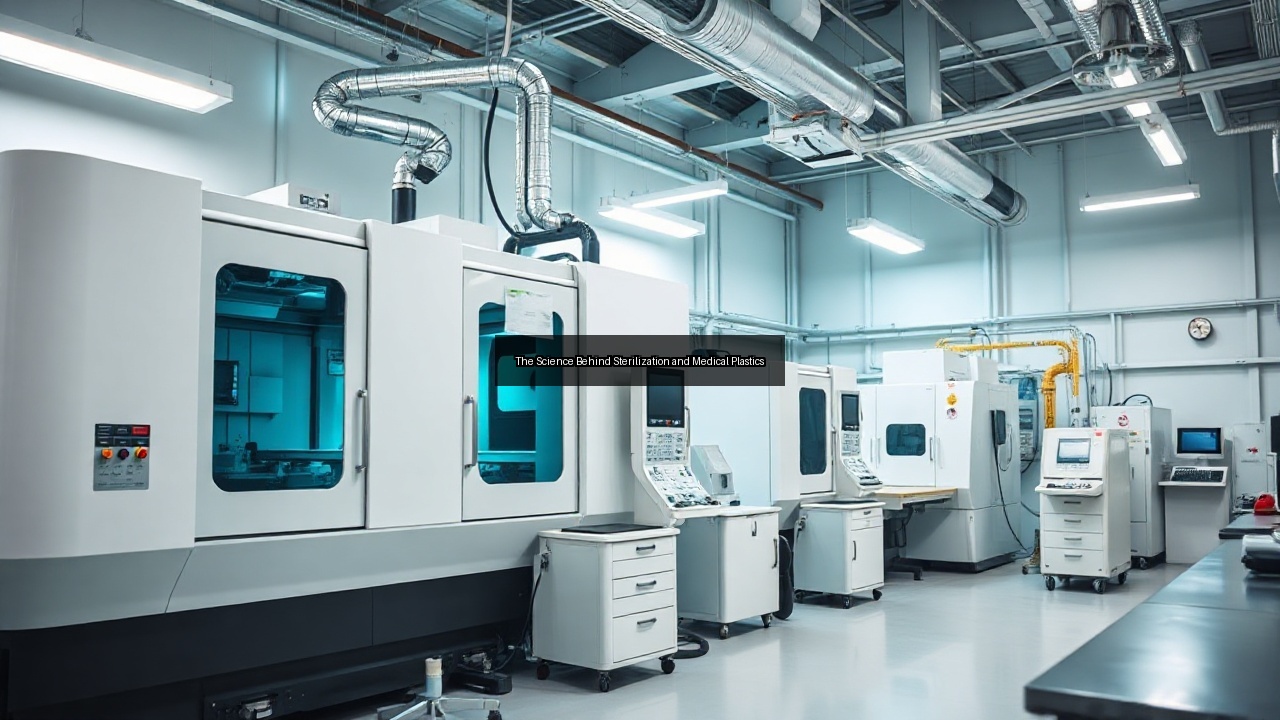
CNC machining represents a cornerstone of the medical plastics machining industry. This computer-controlled process allows for high precision and consistency in the fabrication of complex medical components. CNC machines can achieve tight tolerances and near net shapes, essential for ensuring that medical devices function correctly and safely. The automation of CNC machining reduces human error, increases production efficiency, and allows for rapid prototyping and iterative design. Manufacturers often employ CNC machining for intricate parts, enabling the creation of custom solutions that meet specific medical requirements.
Injection Molding vs. Extruded Plastics in Medical Applications
Manufacturers of medical devices often face the decision between injection molding and extrusion when selecting the best method for producing plastic components. Injection molding excels at producing high volumes of intricate parts with excellent surface quality and dimensional accuracy. This process is particularly suited for applications requiring complex geometries and tight tolerances. On the other hand, extrusion is ideal for continuous forms such as tubing and films. The choice between these processes ultimately depends on the specific requirements, including volume, design complexity, and production timeline, ensuring that manufacturers can meet diverse market needs.
Achieving Tolerances and Near Net Shapes in Medical Machining
Achieving precise tolerances and near net shapes is crucial in medical machining. Tight tolerances ensure that components fit together seamlessly, essential for the functionality of medical devices. Manufacturers often implement advanced machining techniques and tools to enhance precision, such as high-speed machining and specialized cutting tools. Near net shapes reduce material waste and minimize the need for extensive post-processing, saving time and resources. By focusing on precision engineering, manufacturers can produce high-quality medical devices that meet regulatory requirements and withstand the rigors of medical use.
Future Trends in Medical Plastics Manufacturing
High-Performance Plastics: Innovations and Applications
The future of medical plastics manufacturing leans heavily towards high-performance plastics, which offer superior properties for challenging applications. Innovations in polymers have led to materials that exhibit improved strength, temperature resistance, and chemical stability. These advanced plastics can enhance the performance of medical devices, making them suitable for extreme environments while maintaining biocompatibility. The drive for lightweight, durable materials continues to shape the industry, with manufacturers exploring new formulations and processing methods to meet the evolving demands of healthcare professionals and patients alike.
Genesis Medical Plastics and Industry Leaders
Genesis Medical Plastics stands out as a key player in the medical plastics industry, pioneering advancements in material science and manufacturing techniques. Their commitment to innovation aligns with the broader trends of the market, focusing on developing materials that enhance safety, efficacy, and patient outcomes. Industry leaders like Genesis are instrumental in driving the adoption of new technologies, fostering collaborations, and ensuring that manufacturers have access to the latest insights and materials necessary for creating cutting-edge medical devices.
The Role of Ensinger in Advancing Medical Plastics
Ensinger has established itself as a prominent force in advancing medical plastics through its extensive portfolio of high-performance materials. By providing tailored solutions for specific medical applications, Ensinger supports manufacturers in meeting stringent quality standards while innovating new products. Their expertise in engineering plastics, combined with a commitment to sustainability and regulatory compliance, positions them as a trusted partner in the medical device industry. As they continue to invest in research and development, Ensinger plays a vital role in shaping the future landscape of medical plastics manufacturing.